About
Author: Jean Rhys (Dominica)
Genre: Social
Setting
Place: Jamaica, Dominica, UK
Time: 1800s
My Rating (see what this means)
My Subjective Rating: 3
My ‘Objective’ Rating: 2.08
Introduction
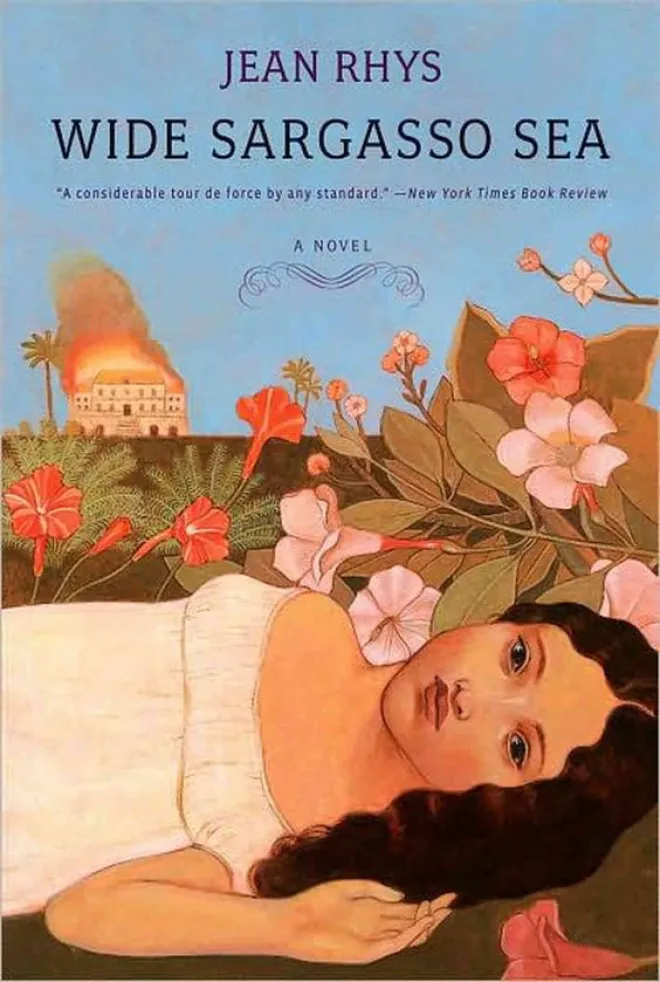
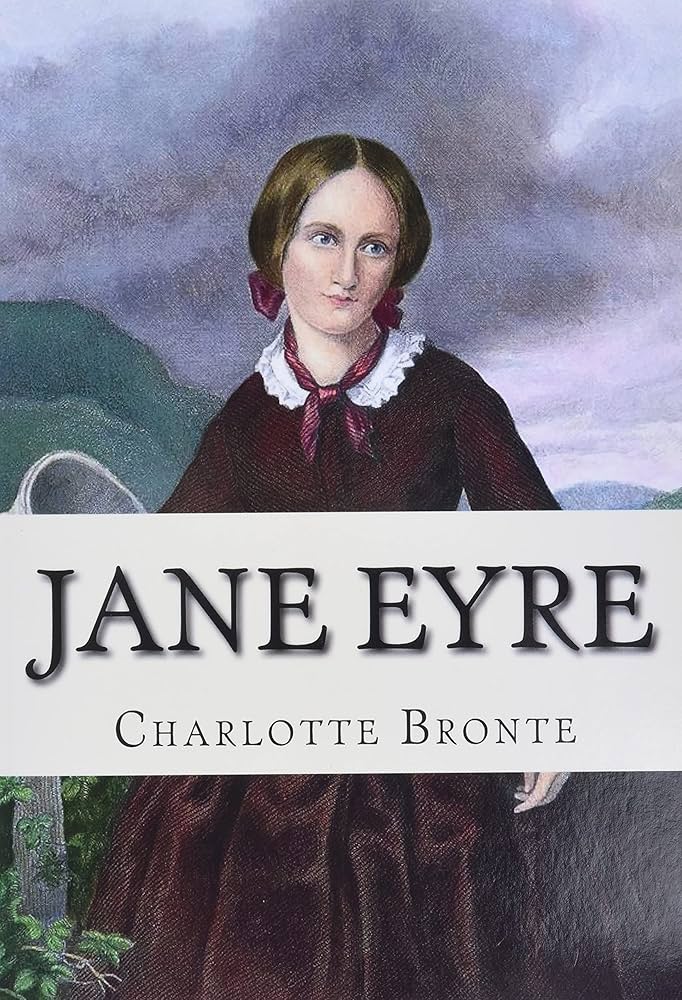
The Wide Sargasso Sea by Jean Rhys is a unique novel. It is a prequel to a classic novel ‘Jane Eyre’ by Charlotte Bronte and seeks to give voice to the ‘madwoman in the attic’ character who receives little attention and much disregard in the original novel.
The Wide Sargasso Sea is an attempt to define the character and explore her origin story hopefully allowing the readers to understand the source of her madness and empathize with a character the readers are otherwise expected to dislike. I have not read ‘Jane Eyre’ and was unfamiliar about its existence before I came across the Wide Sargasso Sea. So I read the book as an independent piece of work.
Review
The book is split into 3 sections all centred around a white creole girl Antionette – a child of a former slave-owning family at the cusp of financial decline following the emancipation of slaves. The first section covers her childhood – among the now-hostile blacks on the island of Jamaica. The second – a honeymoon in Dominica in what is, on the face of it, a finally settling life. And the last as the madwoman in the attic of her husband England estate. The book explores her descent into madness – driven by societal upheaval as much as personal tragedy.
Practically, the novel relates to the original book only slowly – the first section is effectively a fully independent work, the second introduces the protagonist of the original novel as a character and the third effectively adds missing details to a story arc of the original novel.
As an independent setup, the first section has the most compelling setting – exploring the fate of a dependent-on-slaves household after all the slaves go away. The background and the writing both are compelling – though some of the characters don’t seem to have been fleshed out well. In subsequent chapters, the problem worsens, likely due to the limitations of an established sequel putting constraints on what can be prequel-ized. The setting itself moves to domestic affairs. Cousins with grudges appear out of nowhere, and the story seems to meander becoming difficult to follow. [Or maybe I didn’t find it interesting enough to pay sufficient attention].
The conclusion was simply adding a different perspective to a milestone event in the original novel. Ignoring that, the Wide Sargasso Sea, in and of itself, feels rushed in a way that does not suggest skilled temporal experimentation [Think Virginia Woolf’s To the Lighthouse]
A Fascinating Experiment
Writing a prequel to someone else’s story would present some obvious challenges – a well-established outcome can constraint the writer’s flexibility in how their characters evolve, as well as the range of themes that can be explored. At its worst – it can result in abrupt story jumps, and force-fitted scenarios. While still requiring creativity – the original novel acts as a cage outside which the creativity cannot fly. At its best – it can still be a remarkable piece of writing while additionally communicating the genius of its writer. [The Oulipe school of constrained writing comes to mind – Georges Perec’s Life: A User Manual is among my favourite books]. I personally, don’t give much regard for other common criticism of intellectual theft or creative laziness.
The Wide Sargasso Sea definitely avoids the worst outcome by having enough legs to stand on its own – it’s interesting setting in the first section comes to mind. But it is also some distance off from the best pieces of constrained writing.
At least once, I felt the book would have been a better work of fiction if it stood entirely on its own.
PS. This single work is not a sufficient data point for me to form a conclusive like or dislike of the experiment itself.
Picture Credits:
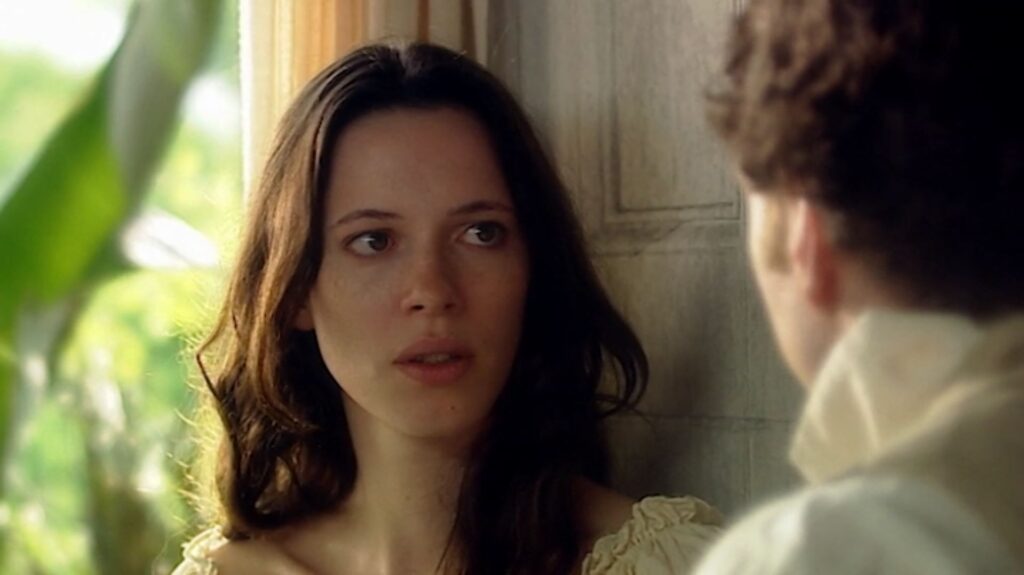
- Cover Picture: Wide Sargasso Sea Movie