My Subjective Rating: 3 My ‘Objective’ Rating: 2.06
Introduction
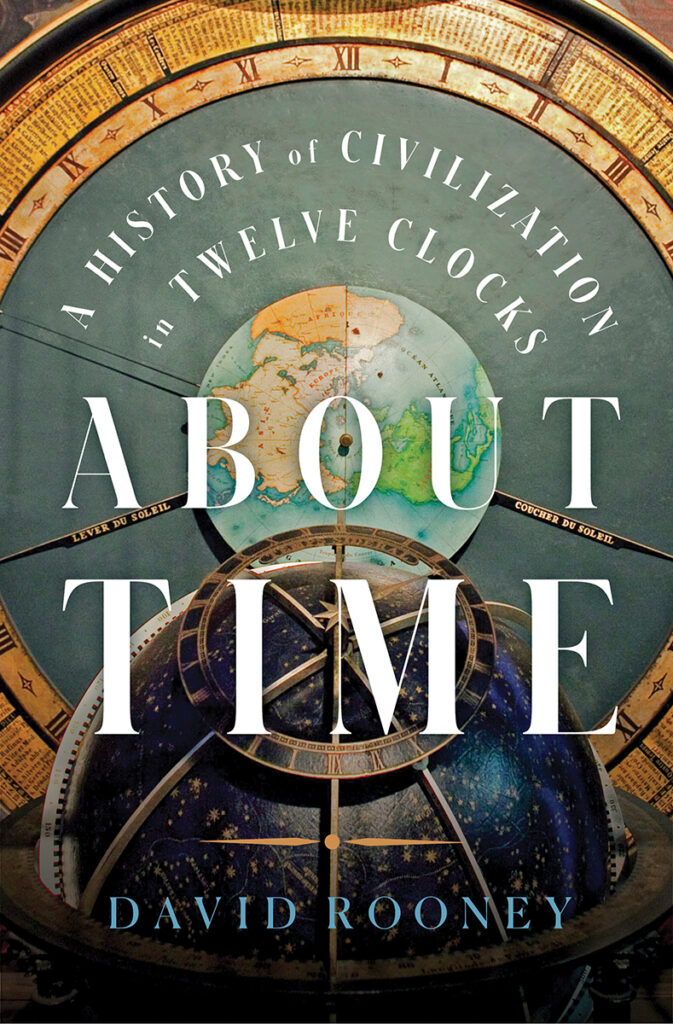
About Time: History of Civilization in Twelve Clocks by David Rooney is a narration of the history of timekeeping and how it and civilization affected each other by an author well placed to narrate it. Rooney – a former timekeeper at the Royal Observatory Greenwich, Director of the Antiquarian Horological Society and on the management committee of the Clockmakers’ Museum obviously has the credentials to write such a book. But I think it works better still because he seems to genuinely love the subject and grew up loving it (his parents were horologists too).
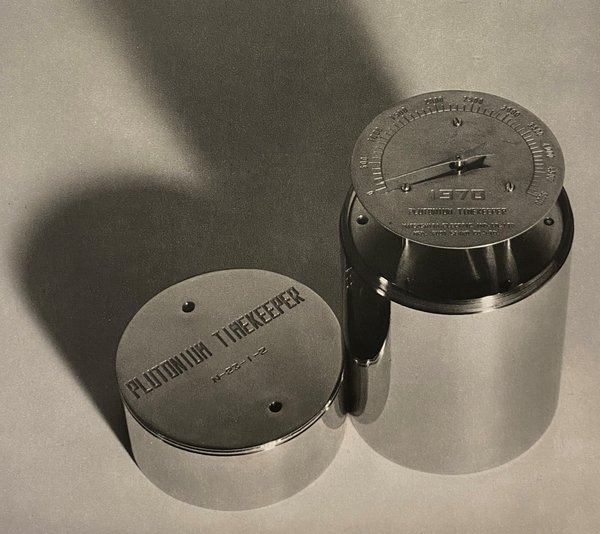
The book follows clocks and clockmakers around the world – from the sundials in Ancient Roman Empire, to an ambitious nerdy prince from 18th century India, to a plutonium timekeepers of the future. It explores civilizational themes – where time acts also as an instrument of control, a stand-in for morality, or an instrument for identity.
The book doesn’t necessarily score well on a lot of my evaluation metrics. Neither did it align with some of my expectations from the book – i.e. more fundamental questions on the history of time and timekeeping. But the author’s love for the subject is super evident and endearing enough to give the book a chance.
Review
To be fair, the author establishes in the book’s introduction that the book is not the conventional history of clocks and watches, nor on the more abstract conception of time as philosophers or scientists see it, nor it is a sweeping account of the history of civilization. It is rather a personal, idiosyncratic and partial account – aiming to shed light on certain aspects of civilization. While the honesty is commendable, it leaves the book somewhat wanting. Some are listed below –
The book expect for the above acknowledgment fails to define a clear scope of what it does and does not cover. It also centers quite a lot around Europe – without either – arguing that Europe was the centre of timekeeping’s evolution or stating clearly that the analysis will simply centre around it. Mentions of clocks, say in India or China, barring a few chapters were generally in passing without sufficient details.
While there are some arguments the author lays – like power and time were closely related – he fails to lay out his hypothesis clearly, and the book often starts feeling like a collection of anecdotes. No systematic attempt is made to argue a cause-effect relationship into his examples.
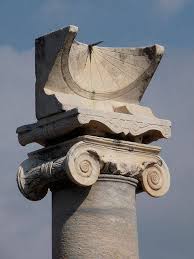
Sundial at the Roman Forum
“Plot all these time signals and chronometers on a map of the world and you can see how clocks enabled empires. Or, better yet, look at the clocks that showed off empires for all to see and marvel at — and still do”
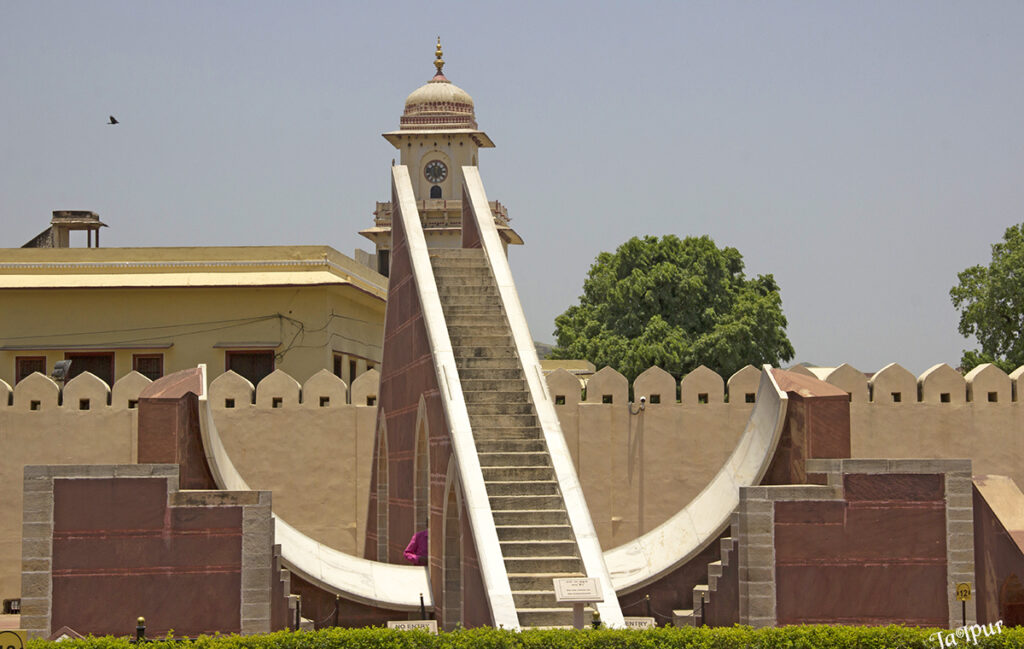
Samrat Yantra, Jaipur
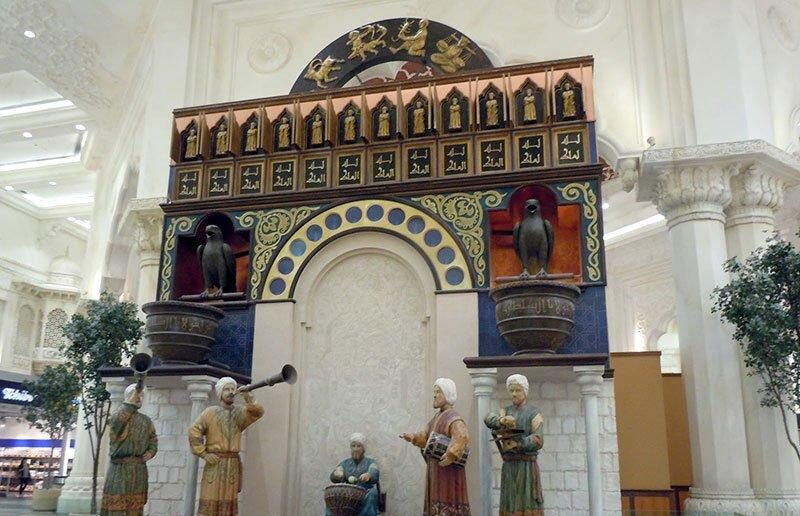
Al Jazari Castle Clock
While the index suggests a chronological history of clock-making, each chapter jumps into examples form several different ages and becomes somewhat. haphazard at times
It occasionally feels too detailed especially for a dilettante reader.
On a few instances, the author gets into specific examples from his personal life – his hypothesis one what a bomber wanted to bomb, or how the results of a competition might have been rigged – which doesn’t really important enough of a non-enthusiast to want to care for it.
That being said – the book is still a pleasant informative read – which I am happy to have read. However, as contagious as the author’s enthusiasm on the subject is, a firmer editorial hand would have made it a much stronger piece of work.