About
Author: Andrus Kivirahk (Estonia)
Genre: Social/Fantastical
Setting
Place: Estonia
Time: 1300s
My Rating (see what this means)
My Subjective Rating: 3
My ‘Objective’ Rating: 3.25
Introduction
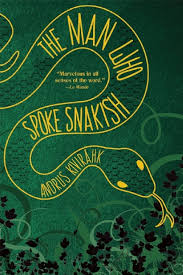
Snakish – from Andrus Kivirahk’s novel – The Man Who Spoke Snakish is a language which allows a man to speak to, well, snakes. Not just snakes – but all animals. Well not insects as their brains are very small – but to most vertebrates. A few snakish words can compel a deer to stand in front of its speaker ready to sacrifice itself for the speaker’s meal. Valuable knowledge indeed! Knowledge you wouldn’t want to be lost.
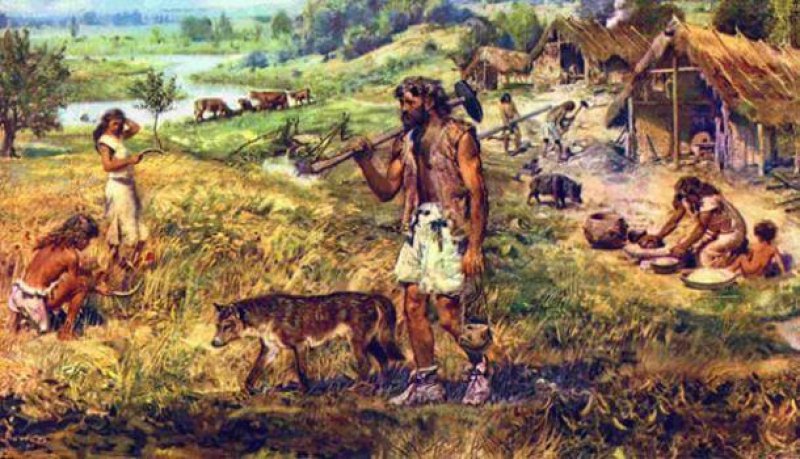
But lost it did! The Man Who Spoke Snakish follows Leemet – the last hunter-gatherer and speaker of Snakish in the Estonian wilds, as life around his community is imploding with the new sedentary fascination as people move to villages and convert to Christianity.
No matter how much Leemet engages with the new ideas, they remain absurd to him. He couldn’t understand why folks would want to work hard all day cultivating a field to eat gruel when Snakish allowed them to have the choicest meat with little effort?
Why take a servant-ish position towards the emissaries of a distant god in some Rome, when you can have all the freedom you desire?
Why give in to the superstitious dogma of a militant religion not averse to burning people on the stake?
The novel explores Leemet’s existential struggle for his dying way of life.
Review
The Man Who Spoke Snakish is filled with fascinating things – grandfathers with poison fangs, snakes for friends, bears for boyfriends and primates who are breeding goat-sized lice for neighbours. Perhaps this fascinating absurdity is essential to deal with the death of a civilization? For Leemet’s culture is certainly dying and not primarily through conquest. Perhaps conquest would have been more honourable – but losing to superstitious dogma that doesn’t make much sense!
As more and more of the forest dwellers move to villages and a new life, one response to the insecurities of those who remains in the forests is superstitious dogma of their own – sacrifices to lake sprites, waiting for the legendary frog of the north, and what not. For all the underdog sympathies a dying civilization can kindle, there response in superstitious brutality is enough to make the sympathizer pause and wonder whether what is being saved is worth saving in the first place!
The Man Who Spoke Snakish – explores fanaticism of the old and the new – represented by Ulgas – the sage of the Groove, and Johannes – the village elder respectively. The biggest challenge these possesses for Leemet and his way of life is their unquestioning stubbornness against pausing to think what is worth preserving/worth accepting – as is the case with fanaticism everywhere. It wouldn’t be difficult to accuse either of the fanaticism as cynical power-seeking bad faith [As long as the forest dwellers believe in lake sprites, Ulgas would be the conduit for the messages/Johannes, as the only villager to have been to Rome, was regarded highly in the village]. But dismissing the forces they represent – the insecurities they tap into – in their arguably gullible followers would be unfair and unwise.
The other response is war. Fight for what you believe in. Well fighting for what you believe to be worth preserving can be argued for [Several native American survived only through violent resistance to the colonizers, the Sentinelese in the Indian ocean still shoot arrows to anyone near their island while several other Andamanese tribes have perished] But the question is – was the arrival of the iron-men the only driver of the death of Snakish. Wasn’t the knowledge being lost slowly over time already. The Primates after all could speak a Snakish even the insects could understand. On the other hand, some of the remaining members of the forest spoke no Snakish at all – and put their faith elsewhere – in sprites and stubborn bouffons.
So Snakish would plausibly have died naturally and the arrival of Christianity was just a catalyst accelerating the otherwise inevitable demise.
(Spoilers below)
What then Leemet, our protagonist could have done, to pass on his knowledge and keep his culture alive?
The book is engaging and empathize-able enough for us to keep pinning our hopes with the various things that pop-up in Leemet’s mind – a potential offspring with a forest girl, or a village girl’s contrarian superstitions, or maybe a flying warring vampire of a grandfather, or a mind-controlled army of lice! Fate obviously had its own designs – and eventually Leemet has accepts the inevitable and retires taking care of an uncaring deity. At least he can be at peace knowing he tried what he could!
As for Snakish – do I believe it could have existed in reality – No. That doesn’t remove the possibility that more plausible pieces of knowledge would have been lost in the inevitable march to the future. Is humanity better or worse off because of this lost knowledge? It’s difficult to know. It doesn’t matter in case we don’t remember what we have lost anyway. Fantastical tales like The Man Who Spoke Snakish are an engaging way to make us pause and wonder. That’s a good enough reason to read it!